
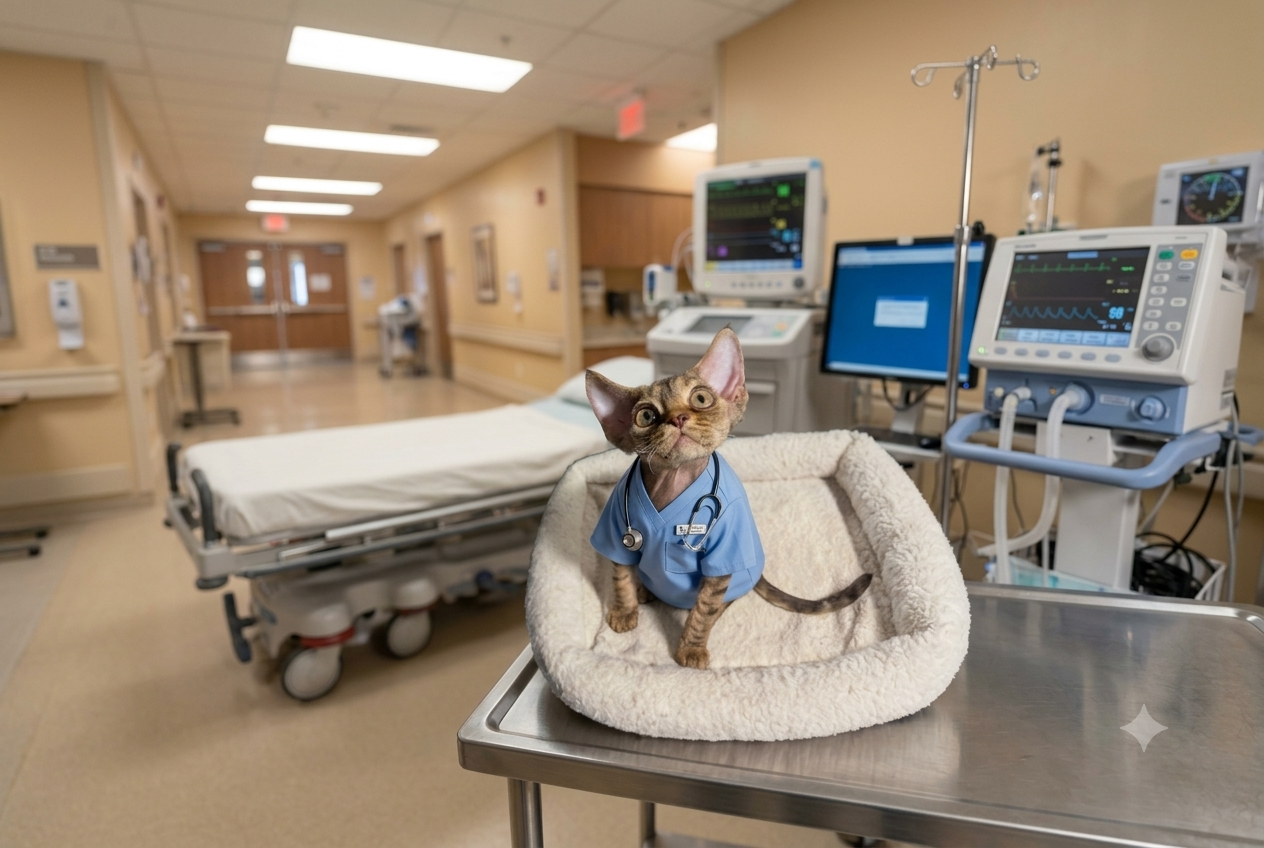
Adopting an healthy animal, the role of genetic testing.
Purebred animals are often seen as more prone to certain health issues, and this concern is justified. When breeding favours genetically related animals, the likelihood of passing on defective genes that cause hereditary diseases rises.
Responsible breeders proactively take measures to prevent breeding animals that may carry diseases, even if they show no symptoms. They employ various tests, such as cardiac ultrasounds, X-rays, and blood tests, to identify potential health concerns.
However, these methods do not always identify animals that appear perfectly healthy but carry genes associated with certain diseases.
Over the past decade, genetic testing has significantly transformed breeding practices. Typically performed with a saliva sample, these tests enable accurate identification of harmful genes in breeding animals before mating. Consequently, breeders can select safer pairings, which greatly reduces the risk of transmitting serious diseases to kittens and improves their overall wellbeing.
Today, breed-specific genetic tests for diseases are a crucial part of ethical and responsible breeding, and they should be included in standard practices. Breeders who invest in these often-expensive tests show a genuine dedication to the health and welfare of their animals.
Furthermore, they should openly share the results with potential adopters. This transparency is crucial for protecting both the kittens or puppies and the families adopting them, while also reducing the suffering caused by hereditary diseases that can be prevented.
If your breeder presents themselves as serious and ethical, take the time to learn about the genetic diseases associated with your future kitten or puppy breed and ask to review the test results.
This step is an important part of supporting your new companion’s health, safety, and well-being.
DragonflyCats team

